
Morocco's Water-Tech Ecosystem: A Blueprint for Global Climate Resilience
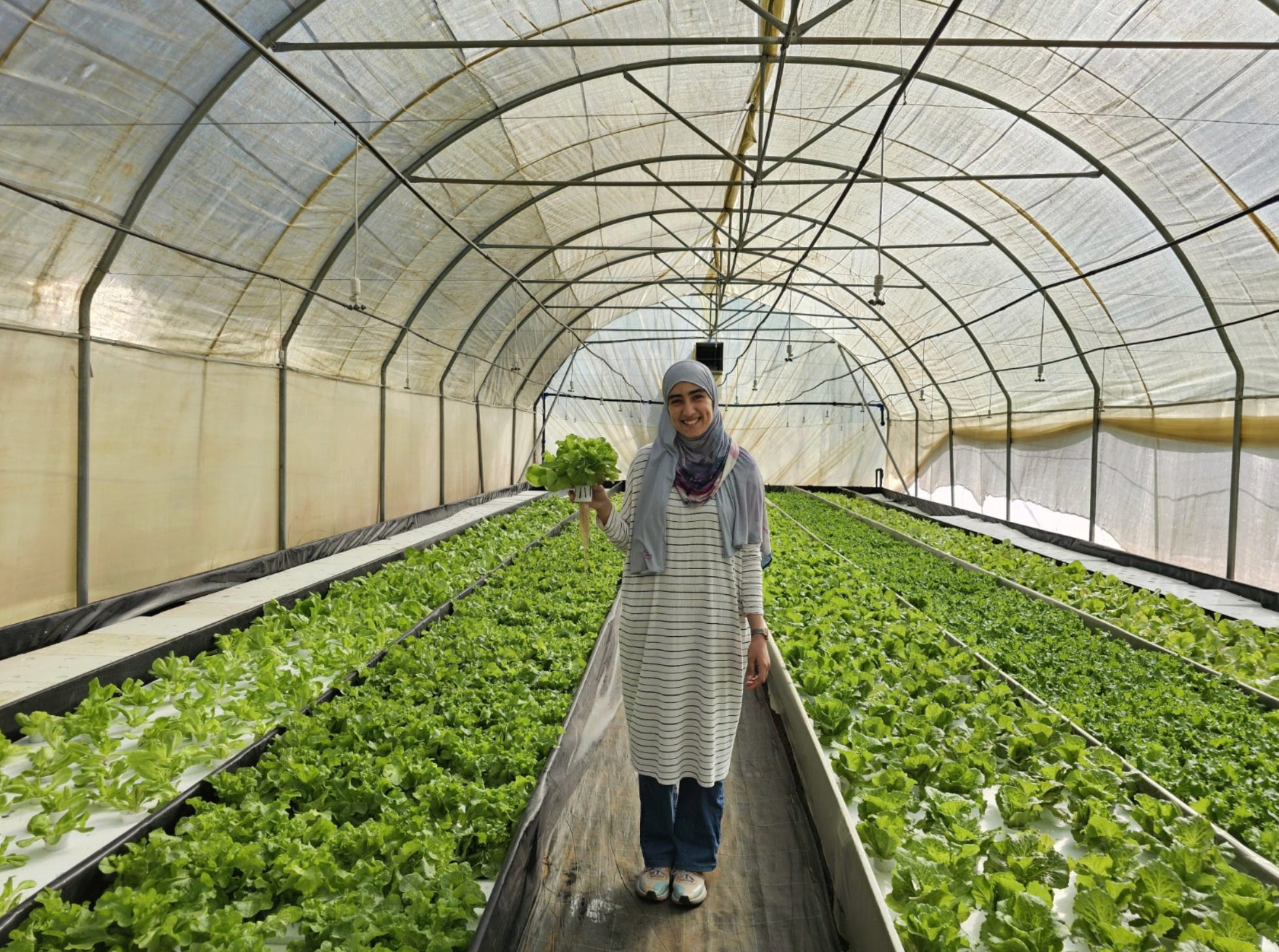
Sokayna, co-founder of Jodoor, at one of their greenhouses, Kenitra. Photo Courtesy of Orange Corners.
Water stress is the most pressing challenge for Morocco, a country dominated by harsh desert and an arid climate. The country has experienced a 20% decline in rainfall over the past 30 years, with per capita water availability projected to drop below the World Bank’s water scarcity threshold of 500 cubic meters per person, per year. This scarcity could reduce Morocco’s GDP by as much as 6.5% and destabilize key economic sectors, particularly agriculture (15% of Moroccan GDP).
Morocco has responded with a top-down realignment of national priorities, blending startup activity with public policy and academic research. Water has emerged as a strategic focus of the country’s industrial policy and infrastructure investment. What aspects of this innovative model are overlooked by Western analysts? How might Morocco’s undertaking offer a glimpse into the future of climate adaptation in water-stressed regions worldwide?
Nearly all countries pursue decarbonization and water policy separately; Morocco, however, has fused them, deploying solar energy to power an increasing share of the country’s desalination plants. These plants are rapidly becoming a primary source of water for coastal regions and large cities like Casablanca. Because of the scalability of this model, the government is continuing to transition to solar for future desalination plants, targeting the southern regions of the country where solar radiation is abundant. Not only does this venture reduce the carbon footprint of water desalination, but it also significantly reduces the energy costs associated with it.
Beyond just desalination, solar power is also integral to enhancing water efficiency in the country’s agricultural sector. Morocco’s Green Generation Plan 2020-2030 specifically aims to promote agricultural production through renewable energy, including solar, which will be used to power seawater desalination for irrigation. Additionally, the country’s Institute for Research for Solar Energy and New Energies (IRESEN) is working to support the deployment of solar power infrastructure for industrial operations at scale.
Morocco’s approach can be summarized as “climate-aligned economic development,” pursuing the goals of environmental resiliency in tandem with economic growth. The government’s $40 billion National Programme for Potable Water Supply and Irrigation (PNAEPI) is emblematic of this shift. Through dam construction, wastewater reuse, desalination expansion, and inter-basin water transfers, Morocco is building physical infrastructure at speed and scale. The country currently operates 17 desalination plants (with more under construction) and plans to increase capacity to 1.7 billion cubic meters per year by 2030. This synchrony signals a rare degree of policy coherence across sectors that are typically siloed.
Morocco’s private sector and academic institutions have also become key sites of innovation. OCP Group, a major global participant in fertilizer markets and the largest exporter of phosphates, is dedicating $13 billion to decarbonize its operations, leveraging renewable energy sources. OCP’s headquarters at the Mohammed VI Polytechnic University (UM6P) anchors a research-industrial network that supports applied innovation in water, energy, and agriculture. Moreover, subsidiaries of OCP, such as InnovX, and OCP’s investment arm, UM6P Ventures, are turning academic research into commercially viable technologies that promote sustainable water management, precision farming, and energy efficiency.
Key Moroccan startups in this space include Green WATECH, a female-founded startup that delivers decentralized, gravity-powered wastewater filtration systems for rural communities using only soil, gravel, and sawdust. Jodoor, another female-founded company, builds modular hydroponic greenhouses that recycle water and support high-yield, low-resource farming. Washminute, another startup providing water-efficient car wash services closed a $600,000 pre-seed round, highlighting the growing entrepreneurial attention resource-smart services are receiving. Prior to receiving this funding, Washminute had grown their monthly revenue by 30% in seven months, and expanded their services to seven locations across Morocco.
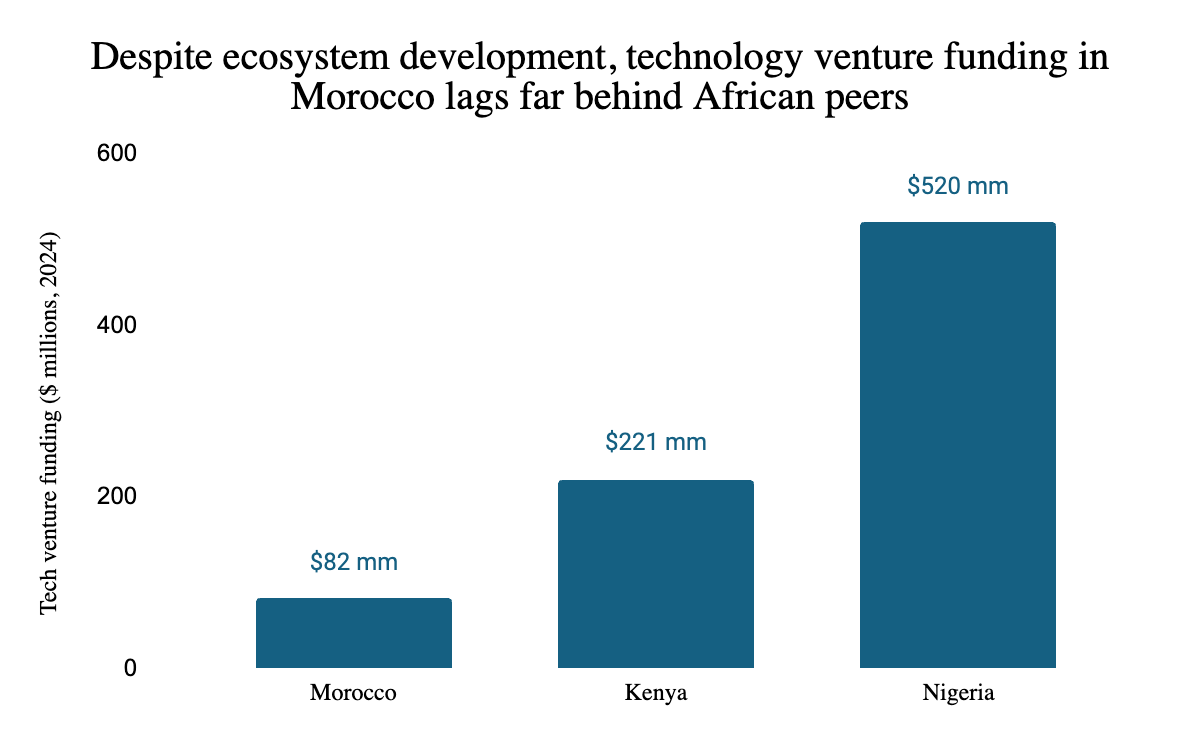
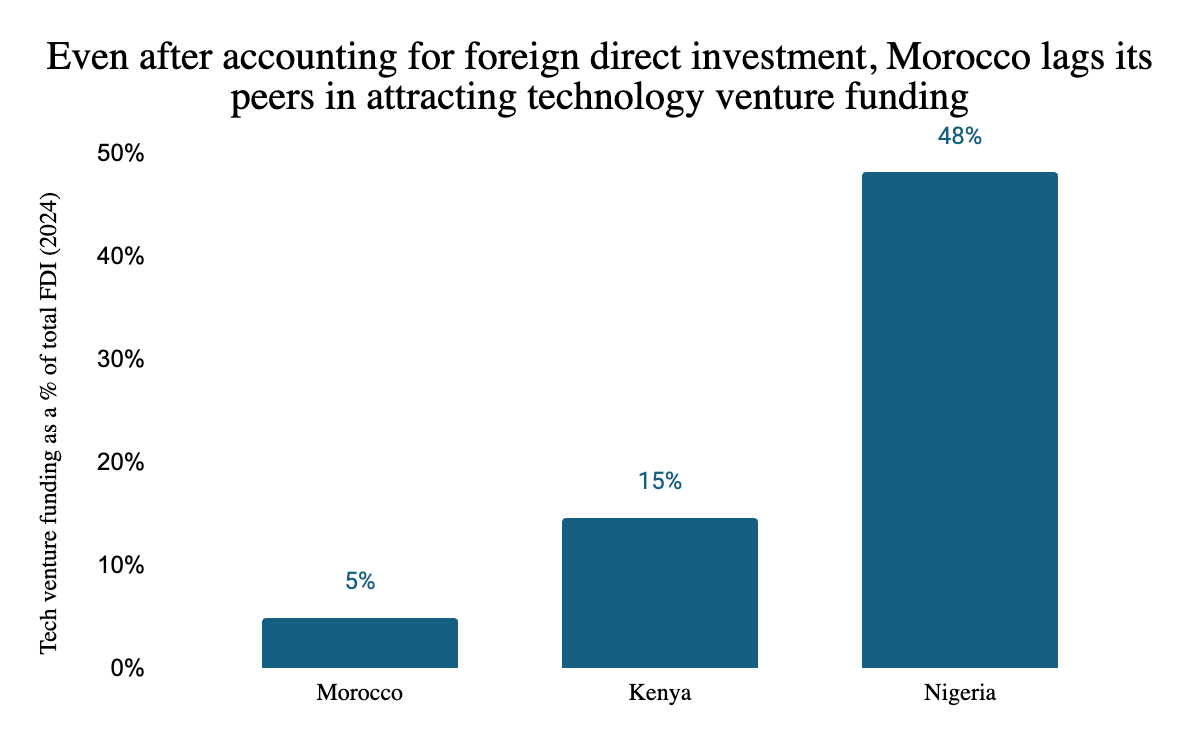
Over the past five years, Morocco’s technology venture funding has grown from just $7 million USD in 2019 to $82 million in 2024. While this growth reflects increasing momentum in the country’s startup ecosystem, Morocco’s fundraising levels remain far below those of regional peers like Kenya and Nigeria, which consistently attract several hundred million dollars annually.
.
The lack of capital invested in Morocco might not necessarily be because of a shortage of ambition or direction in the country’s market.
One explanation for the relative lack of investment is the pervasive pro-English-speaking bias that exists within Western capital markets. As a French-speaking country, Morocco faces a language barrier that can hinder its appeal to investors primarily from the US and UK, who operate in English. This linguistic divide makes it more challenging for Moroccan startups and businesses to access the same level of foreign capital as their English-speaking counterparts. In addition, Morocco’s economy has been historically oriented around rent-based activities and low-risk sectors like phosphate mining and tourism, diverging heavily from the risk that characterizes much of the startup industry.
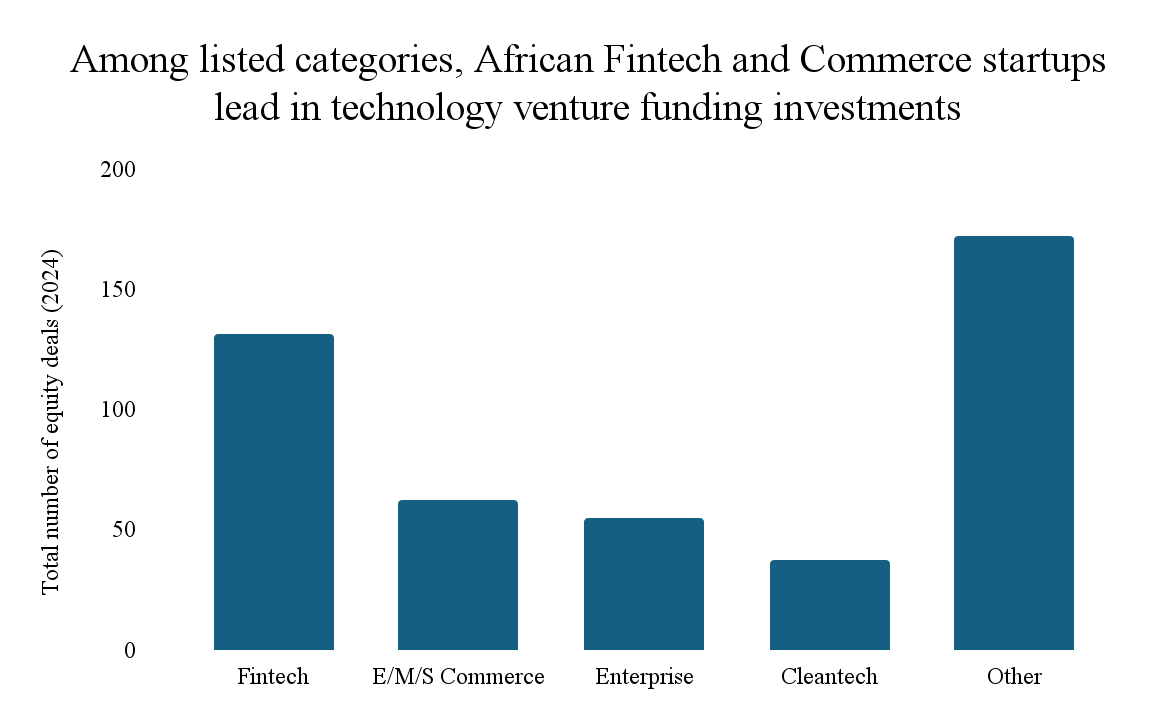
Furthermore, African tech VC is heavily concentrated in certain sectors, with fintech far outpacing all others. The chart below illustrates this sectoral breakdown, highlighting both the dominance of fintech and relative scale of other emerging areas, such as e/m/s commerce, and enterprise.
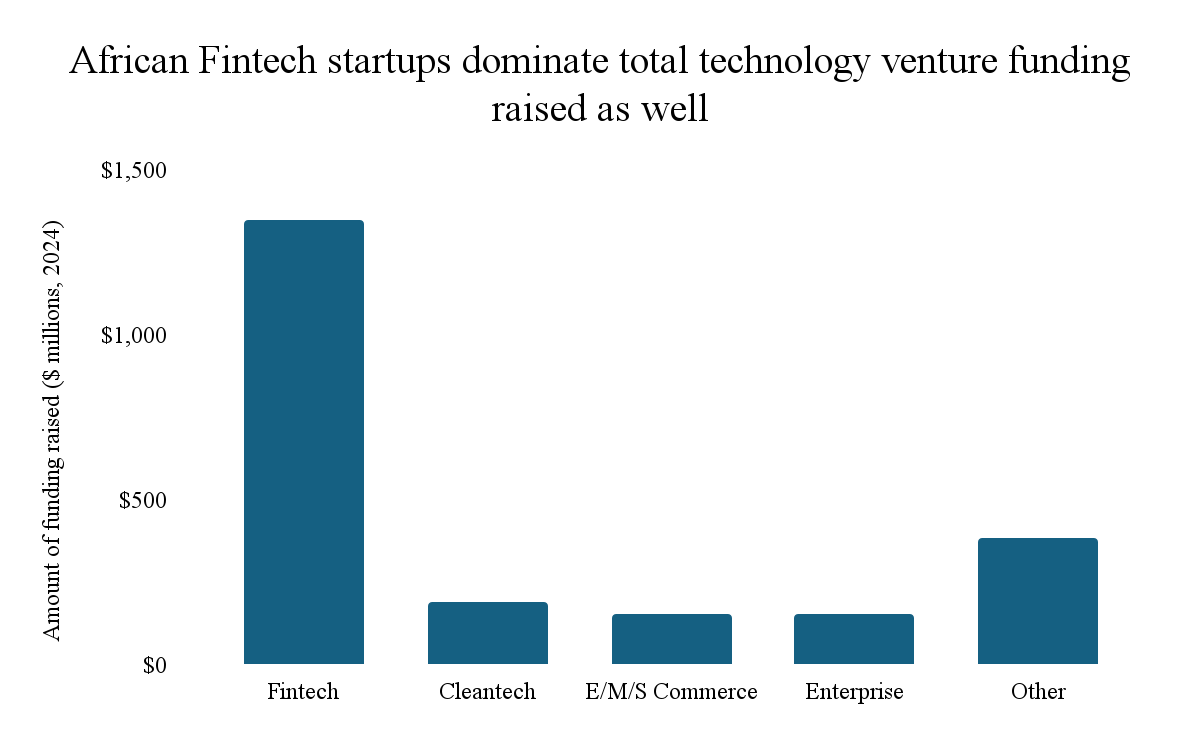
As climate risk intensifies and water scarcity becomes a driver of global economic competitiveness, Morocco’s approach has increasing relevance. Western analysts and investors can take note of Morocco’s unique approach to blending state and private sources of capital to enjoin critical energy and security resources. For emerging economies in Africa and beyond, the blueprint laid out by Morocco challenges assumptions about technology curves, political economy, and capital allocation. While capital flows have yet to fully catch up, Morocco offers a leading example in what the next era of climate-aligned economic development might look like.